Courage, In Every Language: Women Who Changed History
Start learning with NaTakallam!
Learn through guided conversations with native speakers while gaining cultural insight, improving fluency, and connecting with people across borders.
Women have shaped the world through education, art, community-building, and so much more – speaking truths that might otherwise have been lost.
Courage looks different in every context – it can mean insisting on education, painting stories on city walls, founding institutions, or rebuilding life in a new place. This list honors women worldwide – from educators and artists to community leaders and NaTakallam’s own Language Partners – who embody courage in action.
Book a session and learn from women sharing their language and stories across borders
Begin your learning journey through meaningful, one-on-one conversations.
Across borders and generations, women have turned resilience into change.
Courage in Exile
Women who crossed borders and rebuilt voice, identity, and impact
For many women, courage begins far from home. Displacement can silence voices – but for some, it becomes the beginning of advocacy, storytelling, and leadership.
Yusra Mardini
From displacement to global advocacy
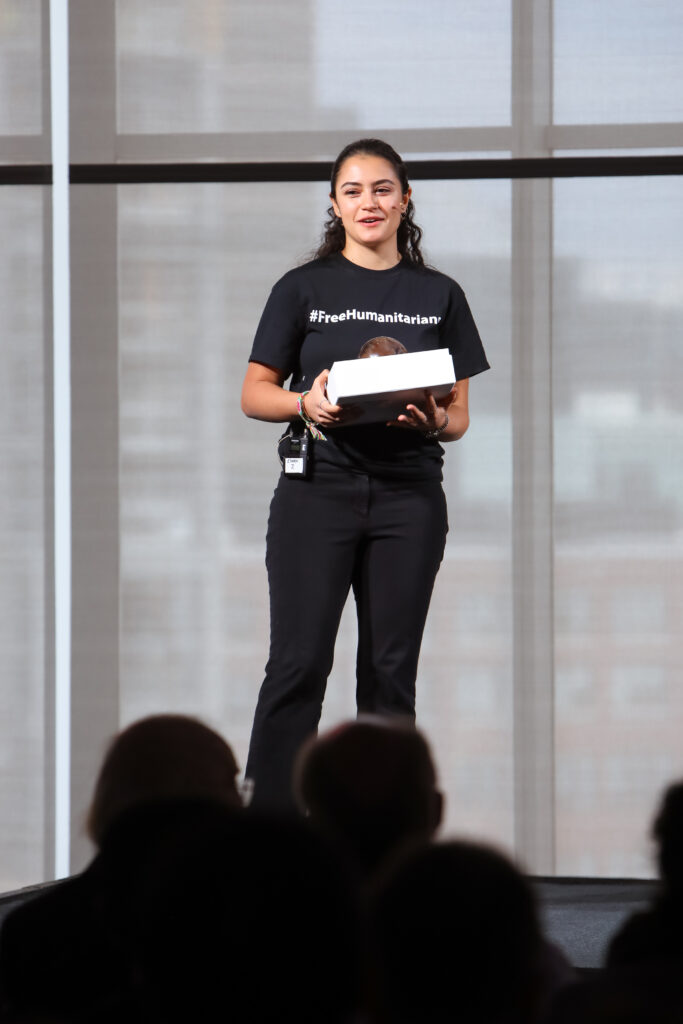
Yusra Mardini is a Syrian refugee and Olympic swimmer who competed as part of the first-ever Refugee Olympic Team at the 2016 Summer Olympics. She fled Syria in 2015 and, when the engine of her refugee boat failed mid-journey, she and her sister helped guide it to safety to reach Lesbos.
After eventually settling in Berlin, Yusra continued her swimming career and became the youngest Goodwill Ambassador for the United Nations High Commissioner for Refugees in 2017, advocating for displaced communities worldwide.
Her journey, alongside her sister Sara Mardini, was later portrayed in the Netflix film ‘The Swimmers’.
Yusra Mardini’s journey shows how courage in exile can transform survival into advocacy and global impact.
Waad Al‑Kateab
From displacement to global advocacy
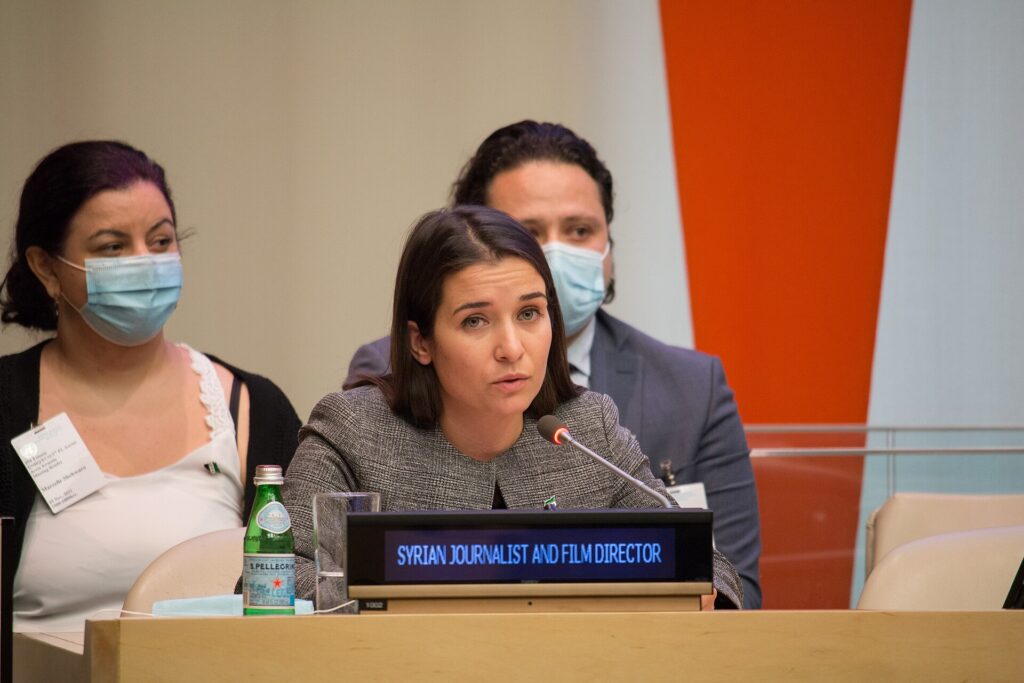
Waad Al-Kateab is a Syrian journalist and filmmaker who documented life during the Syrian conflict while living in the besieged city of Aleppo. As violence escalated around her, she began filming daily life, capturing the realities faced by families, hospitals, and communities trying to survive the war
Her footage later became the acclaimed documentary, For Sama, a deeply personal film dedicated to her daughter that brought global attention to the human cost of the conflict.
Through storytelling and film, Waad Al-Kateab ensured that the voices and experiences of civilians in Aleppo would not be forgotten.
Her work reminds us that courage can also mean bearing witness — and telling the stories that history must remember.
Ilhan Omar
Representation and civic participation
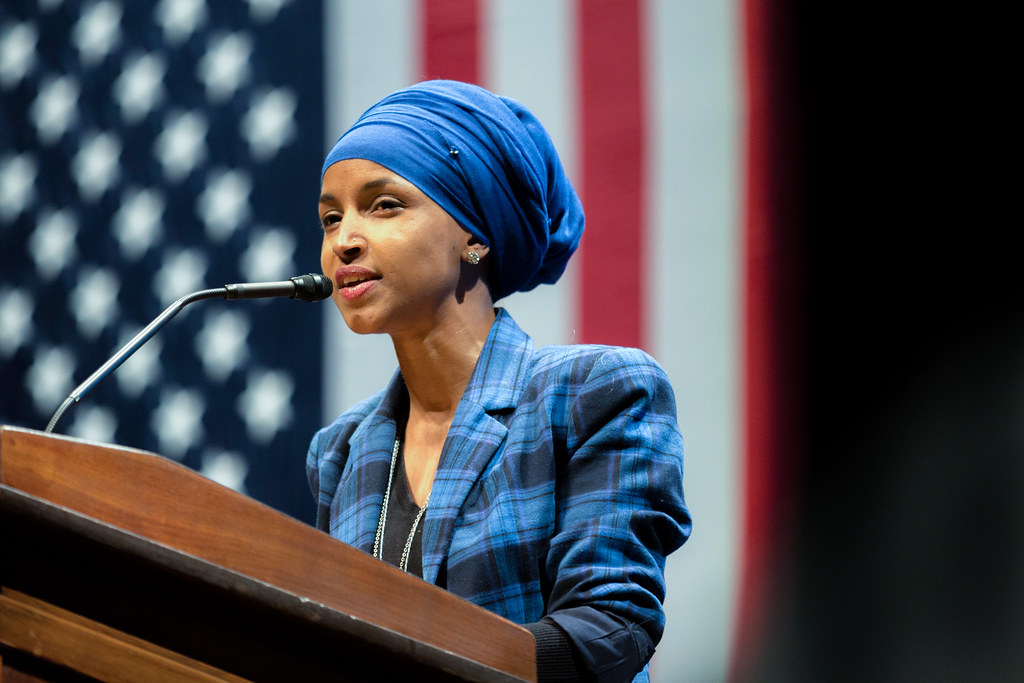
Ilhan Omar is a Somali-born American politician who serves as the U.S. Representative for Minnesota’s 5th congressional district. After fleeing the Somali Civil War, she spent four years in a refugee camp in Kenya before immigrating to the United States in the 1990s.
A member of the Democratic Party (United States), Omar became the first Somali-American, the first former refugee, and one of the first Muslim women elected to the U.S. Congress. Throughout her political career, she has advocated for more inclusive immigration policies and greater representation for immigrant and refugee communities.
Her journey reflects how courage in exile can grow into civic leadership and representation on the global stage.
Courage Through Language
Women who used speech, storytelling, and education as power
Language has long been one of the most powerful tools of change, allowing women to educate, preserve stories, and amplify voices across generations.
Malala Yousafzai
Education as courage
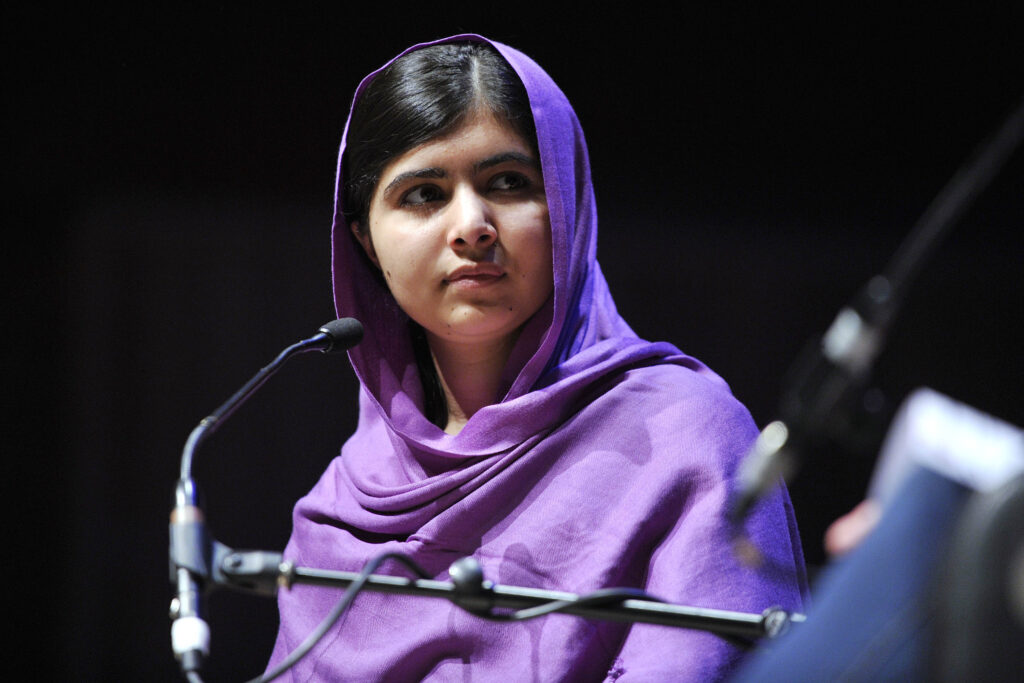
Malala Yousafzai is a Pakistani education activist who became an international symbol for girls’ education after surviving an attack in 2012 for speaking out against restrictions on girls’ schooling in her hometown of Swat Valley.
Following her recovery, she continued advocating globally for the right of every girl to receive an education. In 2014, Malala became the youngest-ever recipient of the Nobel Peace Prize, recognizing her efforts to defend children’s rights and access to education.
Her story shows just how essential courage is for women and girls seeking education; and how speaking out for education can become one of the most powerful forms of activism.
Yusra Al Barbari
Education and civic leadership
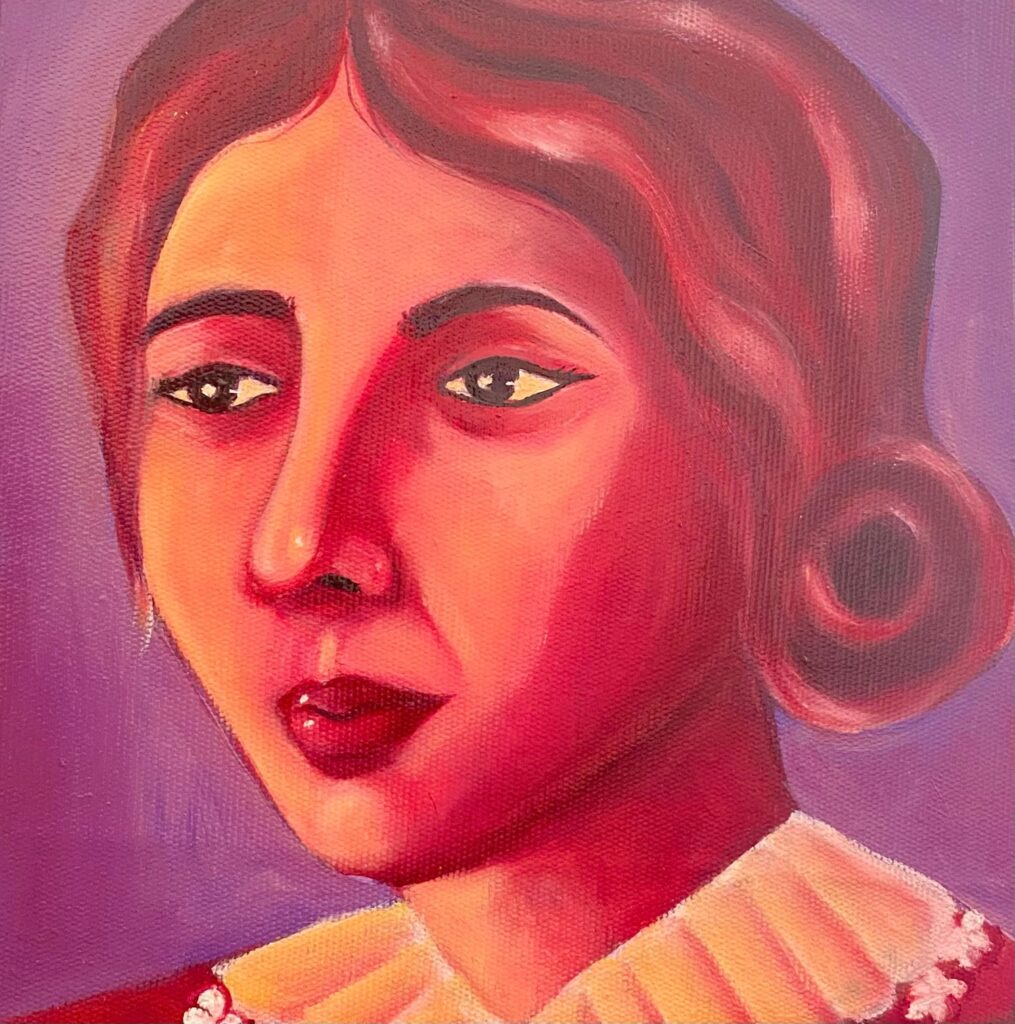
Yusra Al Barbari was the first female university graduate in the Gaza Strip. Fluent in English, French and Arabic, Yusra was a teacher at a girls’ school but also a social activist. She was one of the first women to play a leading role in education and civic life in Gaza. She played a prominent role in establishing and heading the Women’s Union in Gaza and served as executive secretary of the Palestinian Red Crescent Society in the Gaza Strip.
In 2005, the Palestine Consultative Council of the Swiss group “League of 1000 Women for the Nobel Peace Prize” (1000 Femmes pour le Prix Nobel de la Paix) nominated her as one of eight Palestinian women candidates for the award.
Her work reflects how education and civic engagement are essential in standing up for justice in the face of occupation and driving change at scale.
Joanna Rayess
Teaching across borders
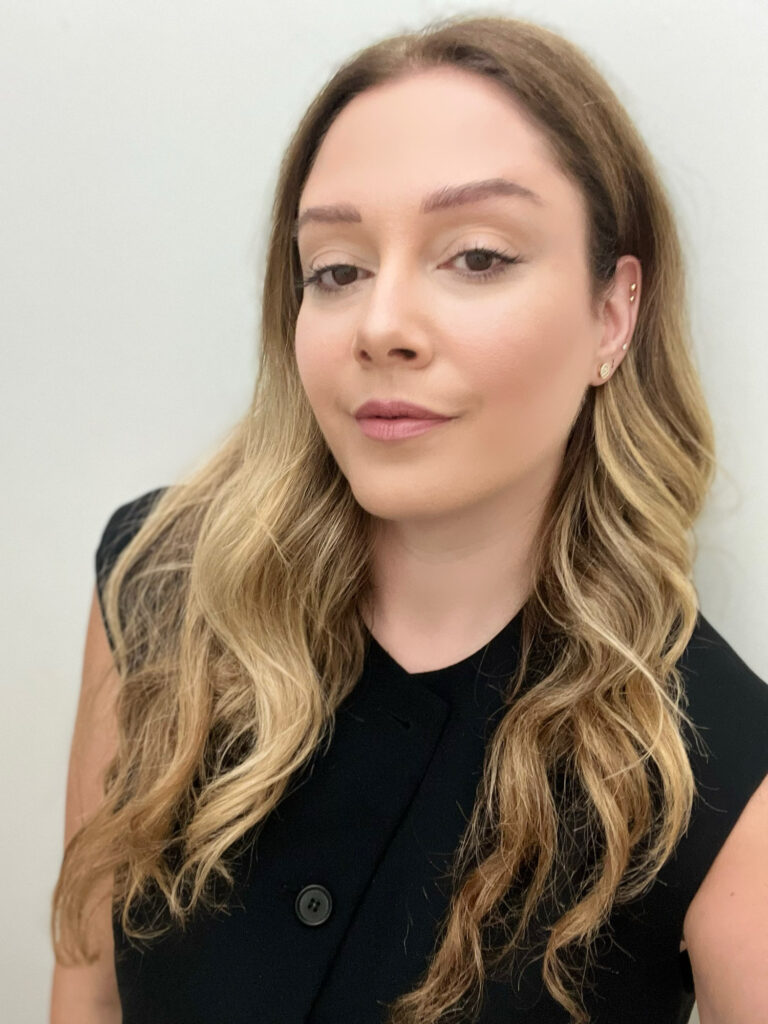
Joanna Rayess is a Lebanese educator and language tutor who teaches Arabic while sharing her culture and lived experiences with students around the world.
Bedridden for months due to a car accident, and faced with war and uncertainty, Joanna continues teaching with NaTakallam – supporting her family and building connections across borders.
With a background in journalism and storytelling, she brings a thoughtful, student-centered approach to her lessons, creating space for meaningful conversations and cultural exchange.
Her work shows how language, resilience, and human connection can come together as a powerful form of courage.
Courage Through Culture
Women who transformed art into resistance
Art has long been a way for women to resist silence, preserve identity, and share stories that might otherwise be forgotten.
Shamsia Hassani
Art as visibility and resistance
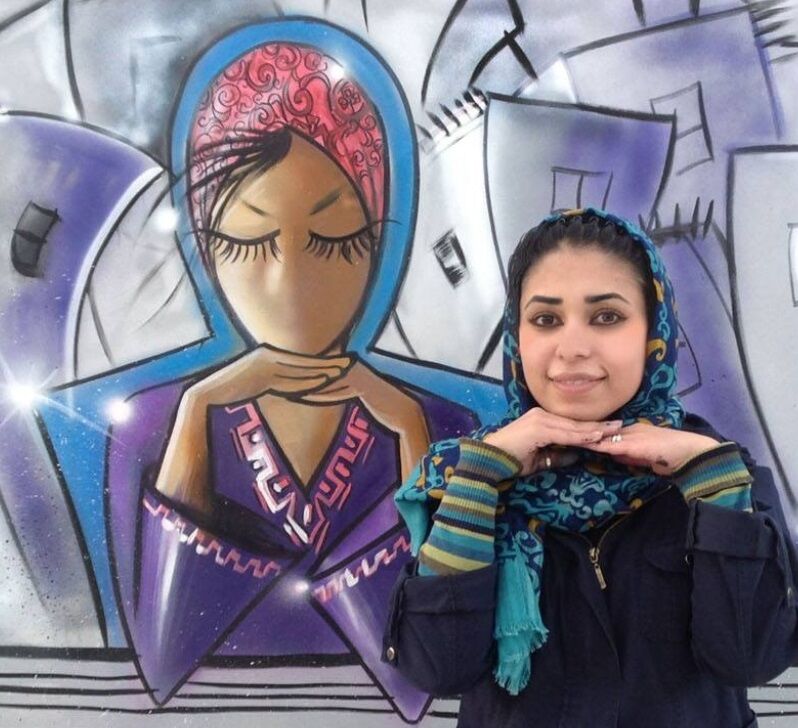
Shamsia Hassani is Afghanistan’s first female graffiti artist, a fine arts lecturer, and associate professor at Kabul University. In a male-dominated society, her murals and public art celebrate the strength and resilience of Afghan women.
Her works have been exhibited in Afghanistan, India, and the USA, and she has inspired hundreds of Afghans through graffiti festivals, classes, and exhibitions worldwide.
Her murals remind us that courage can be expressed through creativity, giving voice to those who might otherwise remain unseen.
Yasmine Hamdan
Music as voice and cultural expression
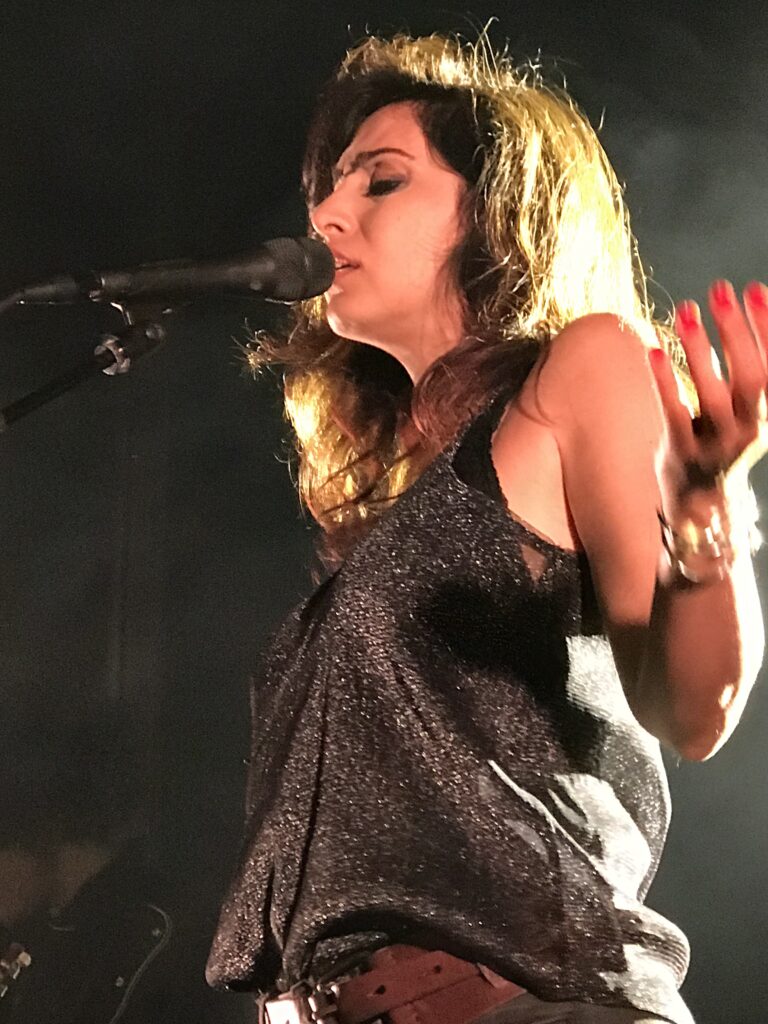
Yasmine Hamdan is a Lebanese singer-songwriter and pioneer of the Arab indie music scene, known for blending electronic sounds with Arabic musical traditions. As a founding member of the duo Soap Kills, she helped shape a new wave of independent music in the region and continues to push creative boundaries through her solo work.
Her recent work, including her 2025 album I Remember I Forget, reflects themes of memory, identity, and displacement, resonating with audiences across borders.
Through her music and performances, Hamdan amplifies cultural narratives across a region that continues to endure violence. Her voice reminds us that art can preserve identity, carry memory, and speak even in the face of loss.
Fatima al-Fihri
Education as legacy
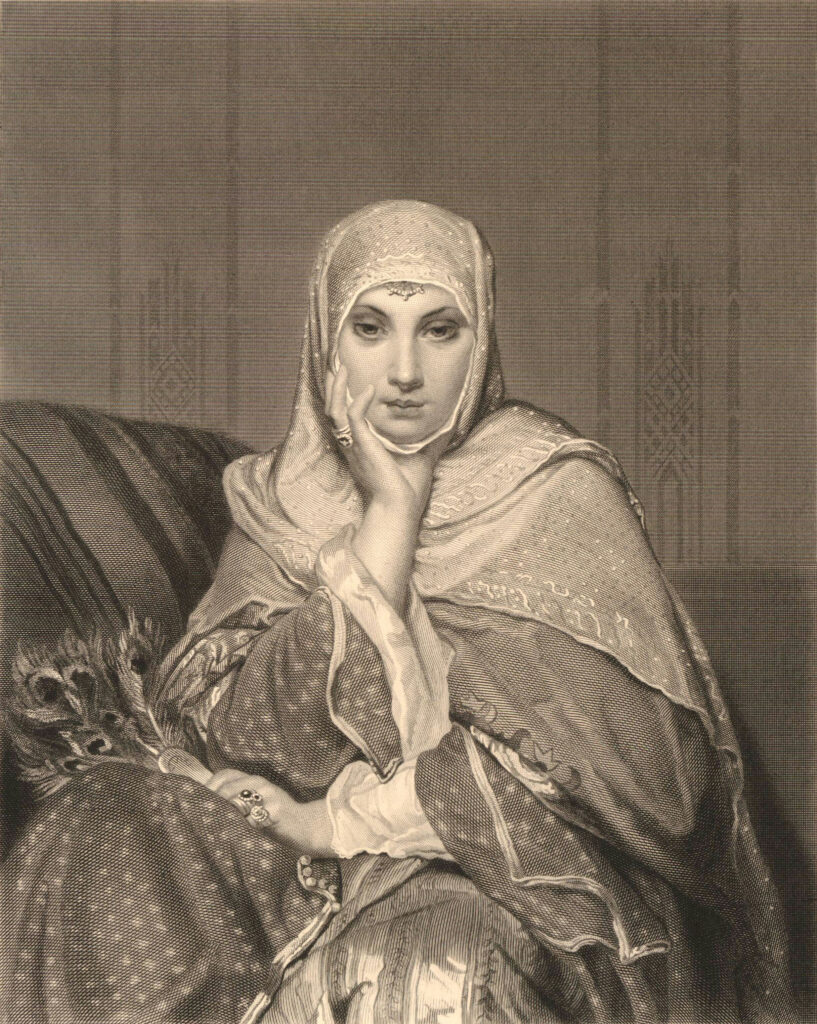
Fatima al-Fihri was a scholar and philanthropist who founded the al-Qarawiyyin Mosque in 857–859 CE, which later developed into the modern University of al-Qarawiyyin. It is recognized as the world’s oldest continuously running university. Known as Umm al-Banīn (“Mother of the Children”), she used her resources to create a lasting center for learning and scholarship.
Her vision and leadership inspired generations, laying the foundation for knowledge-sharing and intellectual growth across Morocco and beyond.
Her work shows how courage and vision can transform resources into lifelong opportunities for communities.
When Courage Connects Us
These stories remind us that courage takes many forms – crossing borders, raising voices, creating art, and building knowledge. From women rebuilding communities to those using language, education, or culture to empower, each shows how determination can shape societies.
At NaTakallam, our Language Partners continue this legacy, connecting people across cultures through teaching and dialogue. We stand with every woman navigating war, conflict and chaos while laying the foundations of better futures for generations to come – proving that courage can thrive in every language.
Support Women Across Borders
Connect with women who are sharing their language, culture, and lived experiences — and be part of a journey that uplifts voices and creates meaningful change.
Asma Siddiqui
Asma Siddiqui is a copywriting intern at Natakallam with a background in dentistry, gradually transitioning from healthcare into the world of storytelling and strategy. With a deep interest in language, culture, and meaningful communication, she explores how words can shape understanding across communities. When Asma’s not working, you’ll likely find her planning a trip, trying new food, or reflecting through spontaneous writing.
Courage, In Every Language: Women Who Changed History Read More »


