
Start learning with NaTakallam!
Learn through guided conversations with native speakers while gaining cultural insight, improving fluency, and connecting with people across borders.
Language learning doesn’t truly come alive through apps or exercises alone. It happens in conversation — in the pauses, the accents, the shared understanding between people. This piece explores how learning from native speakers transforms language from something you study into something you experience, connecting you not just to words, but to culture, stories, and real human perspectives.
Learn a language with a real human and discover the story beyond the screen.
You decide to learn a new language. Maybe it’s for a career opportunity. Maybe it’s to reconnect with your heritage. Maybe it’s simple curiosity.
At first, you feel motivated. You download an app. You commit to daily lessons. You tell yourself you’ll stay consistent this time.
But after a few days, the excitement fades. The exercises start to feel repetitive. You’re memorizing words, completing quizzes — yet real conversation still feels out of reach.
You’re doing everything right. So why does it feel so disconnected?
Because somewhere along the way, language learning became something to complete — instead of something to experience.
Language Learning is Treated as a Task
You’ve downloaded the most popular app. You follow the templates, the checklists, the daily lessons.
The first week is all vocabulary. The second week is grammar and short sentences. It’s structured and measurable, it should feel fun.
And yet, somehow, it doesn’t. Motivation slips quietly, and the exercises start to feel like something to complete — rather than something to live.
After a few weeks, you realize: you’re learning words, but not conversations. You’re checking boxes, but not connecting.
Why Apps and AI Can’t Teach Real Conversation
Your app helped you stay on track, learn words, and practice sentences. Your AI companion was there the whole time.
But when you speak with a native speaker, it feels different. Words slip away. Understanding their accent, fluency, and expressions is harder than you imagined.
Language is more than words. It’s tone, rhythm, and connection — the human element that technology can’t replicate.
What Happens When You Learn From A Native Speaker
When you learn with a native speaker, the language stops being a checklist. You don’t just study vocabulary or grammar — you hear how it is actually spoken.
You begin to understand the person behind the words: their culture, their daily life, the small expressions that don’t exist in textbooks.
The world that once felt distant becomes more familiar. Different places, different routines, different ways of seeing things — all through conversation.
You’re no longer only learning how to ask, “How are you?”
You’re learning what that question really means, and how it’s answered.
And slowly, the accent, the rhythm, the flow of the language start to stay with you — because they’re connected to a real human experience.
Language as connection, not performance
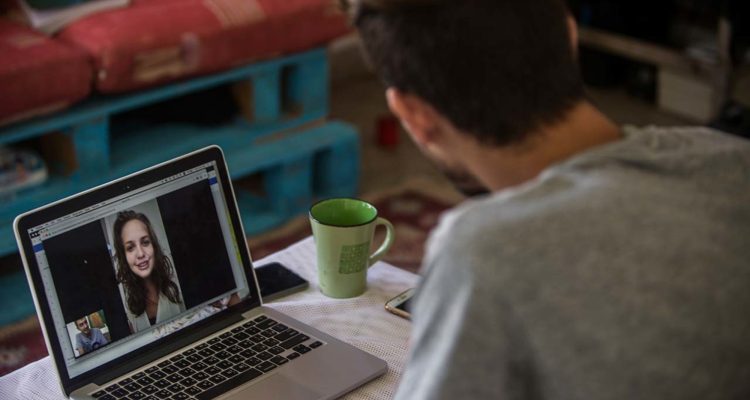
Language learning is often measured through tests, timelines, and the pressure to “get it right.” But real communication doesn’t happen in perfect sentences.
When you learn with a native speaker, the focus shifts. You’re not trying to perform fluency — you’re building understanding. Not only of words, but of experiences, emotions, and perspectives.
The conversation becomes mutual. Two people meeting, listening, and sharing — each bringing their own story, their own way of seeing the world.
At NaTakallam, this is what language learning looks like. It moves beyond vocabulary lists and short exercises and becomes a lived, human exchange.
Not a race toward perfection, but a connection that exists across borders.
Learning language through people, stories, and culture
At NaTakallam, conversations take you far beyond vocabulary.

You may learn how the black-and-white keffiyeh, once part of rural Bedouin dress, came to be understood as a symbol of Palestinian identity — not from a history book, but from someone for whom it carries personal meaning.
You might hear how the name Spain traces back to the Phoenician term I-shaphan-im, “land of rabbits,” and how that story has traveled across centuries and languages.

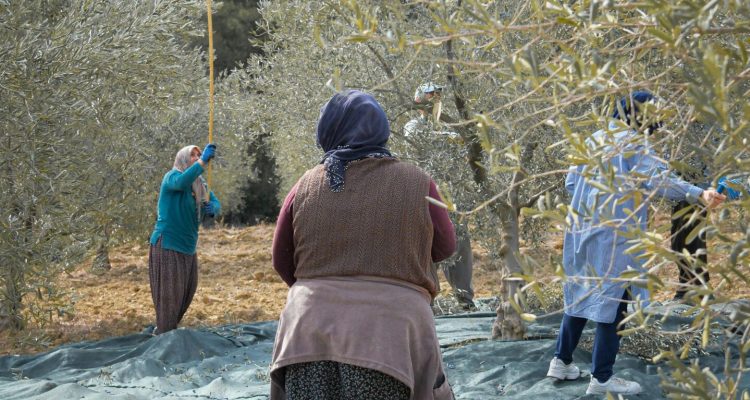
Or you may learn why olive trees in Palestine are spoken about with such care — how they endure, regenerate, and live for generations, becoming connected to ideas of patience, survival, and dignity.
These are not just cultural facts. They are lived knowledge.
When you learn with a native speaker, language is shaped through real people — through their memories, their values, and the stories they choose to share.
You don’t only discover how they live. You begin to understand why.
The Human Purpose of Language
Long before formal classrooms or language apps existed, people still needed to understand one another. Communities traded tools, shared knowledge, and built relationships across linguistic differences. Sometimes they relied on gestures. Sometimes they created shared trade languages. And sometimes, they learned each other’s language — the most lasting form of connection.
That hasn’t changed.
Language remains one of the most powerful ways to bridge distance. When you learn how someone speaks, you begin to understand how they see the world — their references, their humor, their values, their everyday realities.
This kind of learning goes far beyond personal progress. It creates space for empathy. It brings cultures closer. It turns communication into a human relationship rather than a transaction.
The NaTakallam Approach to Language Learning
At NaTakallam, every lesson is also an exchange. As you learn a new language, you are meeting someone with their own story, their own experience, and their own knowledge to share. The impact moves in both directions.
Language learning becomes more than a goal to achieve.
It becomes a lived experience — one that connects people across borders in a deeply human way.
Start Learning a New Language With a Native Speaker on NaTakallam
Book a session with one of our native language partners and experience what language learning feels like in real conversation. Move beyond apps and exercises, and start connecting through stories, culture, and lived experience with a one-on-one conversation.
Asma Siddiqui
Asma Siddiqui is a copywriting intern at Natakallam with a background in dentistry, gradually transitioning from healthcare into the world of storytelling and strategy. With a deep interest in language, culture, and meaningful communication, she explores how words can shape understanding across communities. When Asma’s not working, you’ll likely find her planning a trip, trying new food, or reflecting through spontaneous writing.